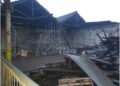
In the realm of legal matters surrounding warehouse roof collapses, the need for a specialized lawyer becomes paramount. This article delves into the intricacies of seeking legal recourse after such a catastrophic event, shedding light on the various aspects that individuals and businesses need to consider.
Exploring the legal implications, types of damages, evidence collection, and settlements involved in warehouse roof collapse cases, this comprehensive guide aims to provide clarity and direction for those navigating this complex terrain.
Legal Considerations
When a warehouse roof collapses, there are several legal implications that come into play. The main focus revolves around determining liability and seeking compensation for damages incurred.
Laws and Regulations
Various laws and regulations may apply in cases of warehouse roof collapses, such as building codes, workplace safety regulations, and negligence laws. For example, the Occupational Safety and Health Administration (OSHA) sets standards for workplace safety that warehouses must adhere to in order to prevent accidents like roof collapses.
Liability of Parties
The liability for a warehouse roof collapse can fall on different parties, including the warehouse owner, contractors responsible for construction or maintenance, and manufacturers of faulty materials or equipment. Determining who is at fault requires a thorough investigation to establish negligence or violations of safety standards.
Filing a Lawsuit
The process of filing a lawsuit related to a warehouse roof collapse involves gathering evidence, documenting damages, and building a strong case to prove liability. Legal action may be taken against the responsible parties to recover compensation for property damage, injuries, lost wages, and other losses resulting from the collapse.
Types of Damages
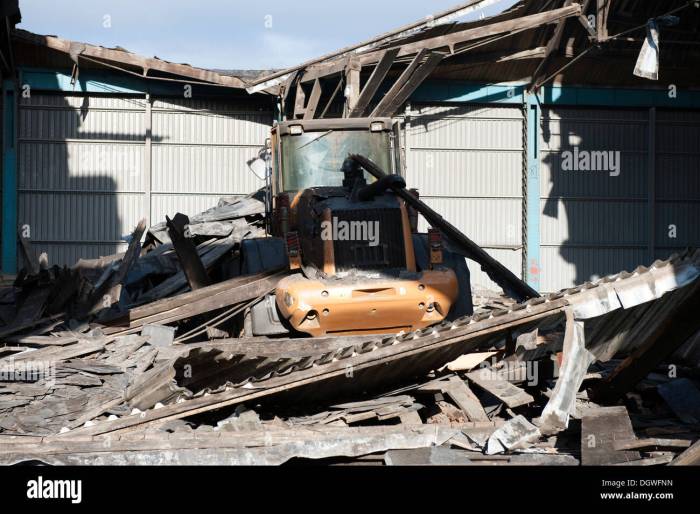
When a warehouse roof collapses, various types of damages can occur, impacting both individuals and businesses involved in the incident.
Financial Losses
Financial losses are a significant consequence of a warehouse roof collapse. Individuals or businesses may incur costs for property damage, inventory loss, business interruption, and potential lawsuits. The financial burden can be substantial, affecting the economic stability of those involved.
Emotional and Physical Damages
Apart from financial losses, victims of a warehouse roof collapse may also experience emotional and physical damages. The trauma and stress resulting from such a catastrophic event can have long-lasting effects on the mental and physical well-being of individuals. Physical injuries sustained during the collapse can lead to medical expenses and long-term health issues.
Compensation for Different Types of Damages
Compensation available for different types of damages resulting from a warehouse roof collapse varies. Financial losses are typically compensated through insurance claims, legal settlements, or litigation. Emotional and physical damages may also be considered in compensation packages, especially in cases where negligence or liability is established.
It is crucial for victims to seek legal guidance to understand their rights and options for pursuing compensation for the damages they have suffered.
Evidence Collection
When dealing with a warehouse roof collapse case, collecting evidence is crucial in proving liability and building a strong legal case. Properly organized evidence can make a significant difference in the outcome of the case.
Types of Evidence
- Documentation: Collect all relevant documents such as building plans, maintenance records, inspection reports, and communication related to the warehouse roof.
- Photographic Evidence: Take photographs of the collapsed roof, the surrounding area, and any visible damages or hazards.
- Witness Statements: Interview witnesses who were present during the collapse to gather their firsthand accounts.
- Expert Reports: Seek reports from structural engineers or other experts to analyze the cause of the collapse.
Preserving Evidence
- Secure the Scene: Ensure that the scene of the collapse is preserved and not tampered with to maintain the integrity of the evidence.
- Label and Document: Clearly label and document all evidence collected to establish a chain of custody and authenticity.
- Protect Digital Evidence: Safeguard any digital evidence such as emails, electronic documents, or surveillance footage.
- Consult Legal Counsel: Work closely with your lawyer to determine the best approach for preserving and presenting evidence in court.
Role of Expert Witnesses
Expert witnesses play a crucial role in warehouse roof collapse cases by providing specialized knowledge and opinions on the cause of the collapse. They can help establish liability and explain complex technical issues to the court. It is important to engage qualified experts early in the case to ensure a thorough investigation and analysis of the evidence.
Settlements and Court Proceedings
Negotiating a settlement in warehouse roof collapse cases involves discussions between the parties involved to reach a mutually acceptable resolution without going to trial. This process can take place through formal mediation sessions or informal negotiations facilitated by legal representatives.
Advantages and Disadvantages of Settlement vs. Trial
- Advantages of settling out of court:
- Quicker resolution of the case
- Reduced legal costs
- Less emotional stress for all parties involved
- Disadvantages of settling out of court:
- Potentially lower financial compensation
- Lack of accountability or admission of fault by the opposing party
Steps in a Court Trial
- Filing a lawsuit: The plaintiff initiates legal action against the defendant by filing a complaint in court.
- Discovery phase: Both parties exchange relevant information and evidence to prepare for trial.
- Pre-trial motions: Legal arguments and motions are presented to the court before the trial begins.
- Court trial: The case is heard before a judge and/or jury, where evidence is presented, witnesses testify, and arguments are made.
- Verdict and judgment: The court renders a decision based on the evidence and arguments presented during the trial.
What to Expect During Court Proceedings
- Legal representation: Both parties will have legal counsel to present their case effectively.
- Evidence presentation: Witnesses may be called to testify, and physical evidence related to the warehouse roof collapse will be presented.
- Cross-examination: Parties have the opportunity to question each other's witnesses to challenge their credibility and testimony.
- Deliberation and verdict: The judge or jury will deliberate on the evidence and arguments before reaching a verdict.
Closing Summary
As we wrap up our exploration of warehouse roof collapse lawyers and the multifaceted issues they address, it becomes evident that seeking expert legal counsel is crucial in ensuring just outcomes for all parties involved. With a blend of legal expertise and compassion, these professionals stand ready to guide clients through the challenging aftermath of a warehouse roof collapse.
FAQ Resource
What are the typical legal implications of a warehouse roof collapse?
Legal implications can include liability for negligence, property damage claims, and potential violations of safety regulations.
How do I go about filing a lawsuit related to a warehouse roof collapse?
To file a lawsuit, you would need to gather evidence, consult with a lawyer specializing in such cases, and follow the legal procedures set forth in your jurisdiction.
What types of damages can individuals or businesses incur from a warehouse roof collapse?
Damages can range from financial losses due to property damage to emotional distress and physical injuries suffered as a result of the collapse.
Why is evidence collection crucial in building a strong legal case for a warehouse roof collapse?
Collecting evidence helps establish liability and prove the extent of damages incurred, essential elements in seeking compensation for losses.
What is the process of negotiating a settlement in warehouse roof collapse cases?
Negotiating a settlement involves discussions between parties to reach a mutually acceptable resolution without going to trial, potentially saving time and resources.