Beginning with Trench Collapse Lawsuits: Holding Employers Accountable for OSHA Violations, the narrative unfolds in a compelling and distinctive manner, drawing readers into a story that promises to be both engaging and uniquely memorable.
As we delve deeper into the world of trench collapse lawsuits, we uncover the critical aspects of employer accountability for OSHA violations and the impact on workplace safety.
Background on Trench Collapse Lawsuits
Trench collapse lawsuits involve legal actions taken against employers due to incidents where trenches collapse at construction sites, leading to injuries or fatalities. These lawsuits aim to hold employers accountable for ensuring workplace safety and compliance with OSHA regulations.
Importance of Holding Employers Accountable for OSHA Violations
It is crucial to hold employers accountable for OSHA violations in trench collapse cases as it promotes a culture of safety in the workplace. When employers prioritize safety measures and adhere to regulations, the risk of accidents such as trench collapses significantly decreases, safeguarding the well-being of workers.
Risks and Consequences Associated with Trench Collapses
- Trench collapses pose a serious risk to workers' lives and can result in severe injuries or fatalities.
- Workers trapped in trench collapses may suffer from suffocation, crush injuries, or other life-threatening conditions.
- The financial repercussions of trench collapses can be significant for employers, including hefty fines, legal fees, and compensation payouts.
- Trench collapses can also lead to project delays, damage to property, and tarnished reputations for construction companies.
OSHA Regulations and Compliance
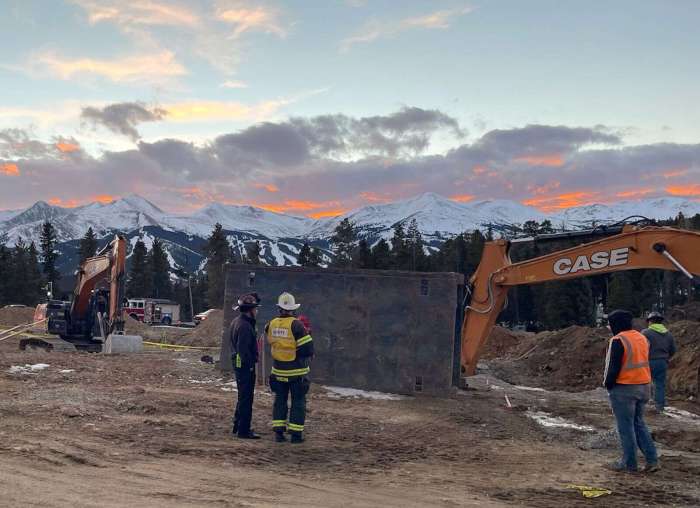
When it comes to trench safety and excavation work, there are specific regulations set by OSHA that employers must follow to ensure the safety of their workers.
Specific OSHA Regulations
- Excavation and trenching should be done according to OSHA standards, which include protective systems like sloping, shoring, or shielding.
- Employers must provide a safe means of egress for workers in the trench, such as ladders, ramps, or stairways.
- Regular inspections of trenches should be conducted by a competent person to identify any hazards and ensure compliance with OSHA standards.
Importance of Compliance
Compliance with OSHA standards is crucial in preventing trench collapses and ensuring the safety of workers. Failure to comply can result in serious injuries or fatalities.
Common Violations
- Failure to provide a protective system in the trench, such as sloping or shoring.
- Lack of proper means of egress for workers inside the trench.
- Inadequate training for workers on trench safety measures and procedures.
- Ignoring the requirement for regular inspections by a competent person.
Employer Responsibilities in Trench Safety
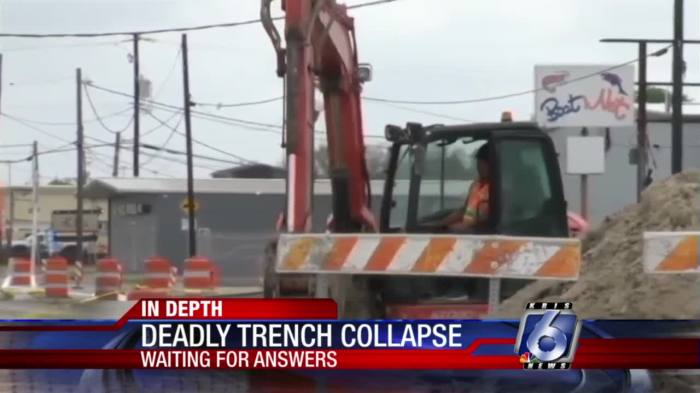
Employers play a crucial role in ensuring the safety of workers in trenches by adhering to specific responsibilities and providing necessary training and safety measures.
Identifying and Mitigating Hazards
- Employers must conduct thorough inspections of trench worksites to identify potential hazards, such as unstable soil conditions or inadequate support systems.
- Implementing proper shoring, sloping, or trench box systems to prevent collapses and protect workers from cave-ins.
- Regularly monitoring and evaluating trench conditions during work to address any changes or risks promptly.
Training and Safety Measures
- Providing comprehensive training to workers on trench safety procedures, including proper entry and exit methods, hazard recognition, and emergency response protocols.
- Ensuring that workers are equipped with personal protective equipment (PPE) suitable for trench work, such as hard hats, reflective vests, and trench boots.
- Establishing clear communication channels and emergency procedures to evacuate workers in case of trench emergencies.
Supervisors and Managers’ Role
- Supervisors and managers are responsible for overseeing trench work operations, ensuring compliance with safety regulations, and addressing any safety concerns raised by workers.
- Conducting regular safety meetings to discuss trench safety issues, review incident reports, and reinforce safety protocols with the team.
- Leading by example by following safety guidelines themselves and promoting a culture of safety consciousness among workers.
Legal Ramifications for Employers
Employers who violate OSHA regulations related to trench safety and fail to provide a safe working environment for their employees can face serious legal consequences. These consequences can include penalties, fines, and liabilities that can have a significant impact on the employer's business and reputation.
Potential Penalties and Fines
Employers who are found to be in violation of OSHA regulations regarding trench safety can face significant penalties and fines. These fines can vary depending on the severity of the violation and whether it is a repeat offense. For example, a serious violation of trench safety regulations can result in fines of up to $13,653 per violation, while a willful violation can lead to fines of up to $136,532 per violation.
Liabilities and Lawsuits
In addition to fines and penalties, employers may also face civil lawsuits from injured employees or their families. These lawsuits can result in substantial financial liabilities for the employer, including compensation for medical expenses, lost wages, pain and suffering, and punitive damages.
Employers may also be required to pay for ongoing medical treatment and rehabilitation for injured employees.
Examples of Past Lawsuits
There have been numerous trench collapse lawsuits in the past where employers have been held accountable for their negligence. For example, in a case where an employer failed to provide proper trench safety measures, resulting in a worker being injured or killed in a collapse, the employer was found liable and ordered to pay significant damages.
These outcomes serve as a reminder to employers of the importance of complying with OSHA regulations and ensuring the safety of their workers.
Summary
In conclusion, Trench Collapse Lawsuits: Holding Employers Accountable for OSHA Violations sheds light on the legal and safety considerations surrounding trench collapses. It emphasizes the need for stringent enforcement of regulations to ensure the well-being of workers and the accountability of employers.
FAQs
What are the common risks associated with trench collapses?
Trench collapses pose risks such as suffocation, crushing injuries, and even fatalities due to the weight of soil. It's crucial to prioritize safety measures to prevent such incidents.
What are some examples of OSHA violations related to trench safety?
Examples include lack of proper protective systems, inadequate inspections, and failure to provide training for employees working in trenches. These violations can lead to dangerous situations.
How can employers ensure compliance with OSHA standards for trench safety?
Employers can ensure compliance by conducting regular safety training, implementing proper protective measures, and establishing clear protocols for trench work. Compliance is vital for preventing accidents.