Data Recovery Services: How to Recover Lost Files Fast sets the stage for this enthralling narrative, offering readers a glimpse into a story that is rich in detail and brimming with originality from the outset.
Data loss can be a nightmare for individuals and businesses alike. Whether it's due to accidental deletion, hardware failure, or malware attacks, the need for data recovery services has never been more crucial.
Introduction to Data Recovery Services
![Files/Folders Disappeared from Desktop Windows 11/10 [Restore Quickly]](https://luxury.foqe.net/wp-content/uploads/2026/04/recover-deleted-files-windows10-theme.png "Files/Folders Disappeared from Desktop Windows 11/10 [Restore Quickly]")
Data recovery services refer to the process of retrieving lost, damaged, or corrupted data from storage devices such as hard drives, SSDs, USB drives, and more. This service is crucial for individuals and businesses alike, as data plays a vital role in our daily lives and operations.
Importance of Data Recovery for Individuals and Businesses
Data recovery services are essential for individuals who may have accidentally deleted important files, experienced a system crash, or encountered a virus attack. For businesses, the loss of critical data can result in financial losses, legal implications, and damage to reputation.
Therefore, having access to professional data recovery services can help in restoring valuable information and minimizing the impact of data loss incidents.
- Accidental Deletion: Individuals and businesses may mistakenly delete files that are crucial for their personal or operational needs. Data recovery services can help in retrieving these files efficiently.
- Hardware Failure: When storage devices such as hard drives or SSDs fail, data recovery services can assist in recovering data from these damaged devices.
- Virus Attacks: Malware or virus attacks can corrupt or erase data on a computer or server. Data recovery services can help in recovering the lost data and ensuring the system is secure and operational.
Causes of Data Loss
Data loss can occur due to various reasons, ranging from human error to malicious attacks. Understanding the common causes of data loss is crucial in preventing such incidents and taking necessary precautions to safeguard valuable information.Accidental Deletion:Accidental deletion is one of the most common causes of data loss.
Whether it's deleting a file by mistake or formatting a drive unintentionally, human error can lead to irreversible loss of important data. For example, a study by Kroll Ontrack found that 67% of data loss incidents were due to accidental deletion by users.Hardware Failure:Hardware failure, such as a malfunctioning hard drive or a faulty storage device, can also result in data loss.
When hardware components fail, it can make the stored data inaccessible or corrupt, leading to potential loss. According to a report by Backblaze, hard drive failure accounts for around 60% of data loss incidents.Malware Attacks:Malware attacks, including viruses, ransomware, and other malicious software, pose a significant threat to data security.
These malicious programs can encrypt or delete data, compromise system integrity, and steal sensitive information. In fact, a study by CyberEdge Group revealed that 81% of organizations experienced a successful cyberattack that resulted in data loss or theft.It's essential to be aware of these common causes of data loss and implement robust backup strategies and security measures to mitigate the risks associated with data loss incidents.
Types of Data Recovery Services
When it comes to data recovery services, there are different types available to help retrieve lost files. Each type has its own set of advantages and limitations, making them suitable for various situations. Let's explore the different types of data recovery services and compare and contrast their effectiveness.
Software-based Data Recovery Services
Software-based data recovery services involve using specialized programs to scan and recover lost data from storage devices. These services are generally easy to use and can be cost-effective. However, they may not be able to recover data from physically damaged devices or in cases of severe data corruption.
Software-based services are best suited for recovering accidentally deleted files or recovering data from logically damaged drives.
Hardware-based Data Recovery Services
Hardware-based data recovery services involve physically repairing or replacing damaged components in storage devices to retrieve lost data. These services are more complex and may require specialized equipment and expertise. While hardware-based services can handle more severe cases of data loss, they are typically more expensive than software-based solutions.
Hardware-based services are ideal for situations where the storage device has suffered physical damage, such as a failed hard drive or water damage.
Professional Data Recovery Services
Professional data recovery services are offered by specialized firms that have the expertise and resources to handle a wide range of data loss scenarios. These services often involve a combination of software and hardware techniques to recover data effectively. Professional data recovery services are the most reliable option for recovering data from all types of storage devices and data loss situations.
They are particularly useful in cases where valuable or sensitive data needs to be recovered, such as in a business setting.Overall, the choice of data recovery service will depend on the specific circumstances of the data loss and the importance of the data being recovered.
It is essential to consider the nature of the data loss and the capabilities of each type of service before making a decision on the best approach to take.
Steps to Recover Lost Files Fast
Recovering lost files can be a stressful experience, but with the right tools and techniques, you can increase your chances of successful data recovery. Acting fast is crucial to prevent permanent loss of important files
Step-by-Step Process of Recovering Lost Files
- 1. Stop Using the Device: As soon as you realize data loss, stop using the device to prevent overwriting the lost files.
- 2. Choose Reliable Data Recovery Software: Select a reputable data recovery software that matches your specific needs and supports the file types you want to recover.
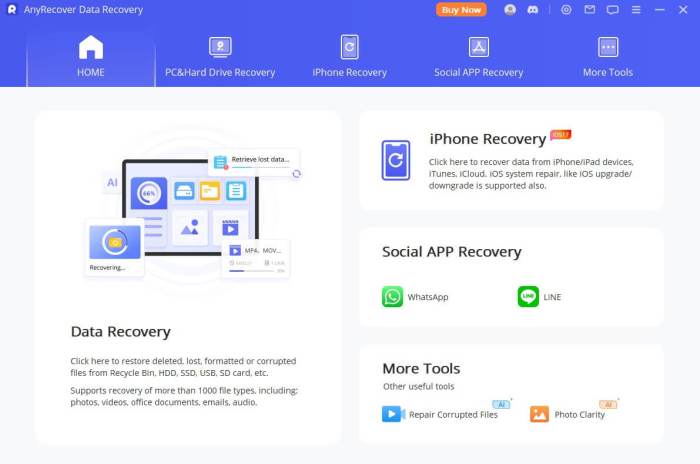
- 3. Install and Run the Software: Follow the software instructions to install it on a different drive to avoid overwriting the lost files. Run the software and select the drive or location where the files were lost.
- 4. Scan for Lost Files: Initiate a deep scan to search for lost files on the selected drive. This process may take some time depending on the size of the drive and the extent of data loss.
- 5. Preview and Recover Files: After the scan is complete, preview the found files to ensure they are intact. Select the files you want to recover and save them to a safe location.
Tips for Maximizing Successful Data Recovery
- 1. Regularly Back Up Your Data: Implement a backup strategy to prevent data loss and ensure you have copies of important files.
- 2. Avoid Writing New Data: Refrain from saving new files or installing software on the drive where data loss occurred to avoid overwriting the lost files.
- 3. Keep Your Recovery Software Updated: Ensure your data recovery software is up to date with the latest features and improvements for better results.
Importance of Acting Fast to Recover Lost Files
Time is of the essence when it comes to data recovery. The longer you wait to initiate the recovery process, the higher the risk of permanent data loss due to file corruption or overwriting.
Choosing the Right Data Recovery Service Provider
When it comes to choosing a data recovery service provider, there are several key factors to consider to ensure that your lost files are recovered efficiently and effectively.
Reputation and Success Rate
It is essential to research and compare different service providers based on their reputation and success rate in recovering lost data. Look for providers with a proven track record of successfully recovering data from various types of storage devices.
Pricing and Service Packages
Compare the pricing and service packages offered by different data recovery service providers. While cost is important, it should not be the only deciding factor. Consider the value provided in relation to the pricing and choose a service provider that offers a reasonable balance.
Customer Reviews and Testimonials
Reading customer reviews and testimonials can give you valuable insights into the experiences of past clients with the data recovery service provider. Look for providers with positive feedback and satisfied customers to ensure a reliable and trustworthy service.
Credentials and Experience
Verify the credentials and experience of the data recovery service provider before making a decision. Ensure that the provider has certified data recovery specialists and a proven track record in handling data loss situations effectively.
Security and Confidentiality
Consider the security measures and confidentiality policies implemented by the data recovery service provider to protect your sensitive data during the recovery process. Choose a provider that prioritizes data security and privacy to prevent any unauthorized access to your recovered files.
Outcome Summary
In conclusion, Data Recovery Services: How to Recover Lost Files Fast provides essential insights into safeguarding your valuable data. Remember, acting swiftly in times of data loss can make all the difference in successful file recovery.
FAQ Explained
How can I prevent data loss in the first place?
Regularly back up your data, use reputable antivirus software, and handle your devices with care to minimize the risk of data loss.
Is it possible to recover data from a physically damaged hard drive?
Yes, professional data recovery services have the expertise and tools to retrieve data from physically damaged storage devices.
Are data recovery services expensive?
The cost varies depending on the complexity of the recovery needed, but many providers offer competitive pricing for their services.