Kicking off with Cyber Insurance Coverage: Protect Your Business from Hacks, this opening paragraph is designed to captivate and engage the readers, providing a comprehensive overview of the importance of cyber insurance in today's digital landscape. From safeguarding businesses against potential cyber threats to highlighting recent cyber attacks that underscore the critical need for protection, this introductory section sets the stage for a deep dive into the world of cyber insurance coverage.
Introduction to Cyber Insurance Coverage
Cyber insurance coverage is a type of insurance policy that helps protect businesses from the financial losses associated with cyber attacks and data breaches. In today's digital age, where businesses rely heavily on technology to operate, the importance of having cyber insurance cannot be overstated.
These types of policies typically cover a range of risks that businesses face in the event of a cyber incident. This can include costs related to investigating the breach, notifying customers, legal expenses, and even potential fines or penalties that may result from a data breach.
Types of Risks Cyber Insurance Coverage Protects Against
- Financial Losses: Cyber insurance can help cover the costs of business interruption, data recovery, and ransom payments in the event of a cyber attack.
- Legal Expenses: Policies may cover the costs of legal defense and settlements if a business is sued due to a data breach.
- Reputation Damage: Cyber insurance can assist in managing public relations and marketing efforts to repair a business's reputation after a cyber incident.
Examples of Recent Cyber Attacks
Recent cyber attacks, such as the ransomware attack on Colonial Pipeline in 2021, have highlighted the need for businesses to have cyber insurance coverage. These attacks can result in significant financial losses, operational disruptions, and damage to a company's reputation.
Cyber insurance provides a safety net for businesses to mitigate these risks and recover more quickly after an attack.
Key Components of Cyber Insurance Policies
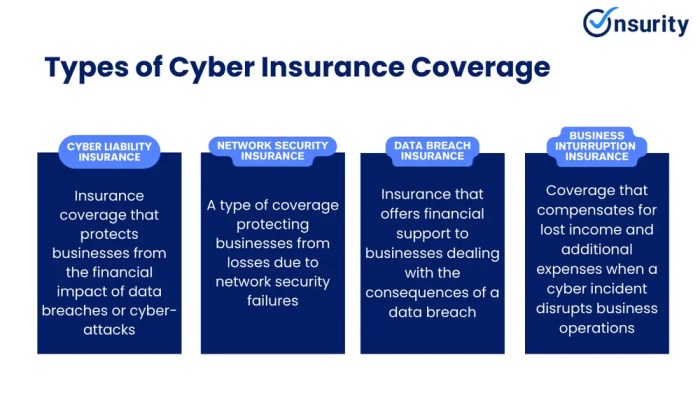
Cyber insurance policies are designed to protect businesses from financial losses resulting from cyber attacks. These policies typically include various types of coverage to address different aspects of cybersecurity risks. Let's explore the key components of cyber insurance policies in more detail.
Types of Coverage Included in Cyber Insurance Policies
- Data Breach Coverage: This type of coverage helps cover the costs associated with data breaches, including notification expenses, credit monitoring services, and regulatory fines.
- Network Security Liability: This coverage protects businesses from legal claims and expenses related to network security failures that result in data breaches or other cyber incidents.
- Business Interruption Coverage: Cyber insurance can also provide coverage for financial losses resulting from disruptions to business operations caused by cyber attacks.
- Reputation Management: Some policies include coverage for expenses related to managing the reputational damage caused by a cyber incident, such as public relations services.
Financial Loss Mitigation with Cyber Insurance
Cyber insurance can help mitigate financial losses for businesses by providing financial support to cover the costs associated with cyber attacks. In the event of a cyber incident, having cyber insurance in place can help businesses recover more quickly and reduce the overall financial impact of the attack.
Common Clauses and Provisions in Cyber Insurance Policies
- First-Party and Third-Party Coverage: Cyber insurance policies often include both first-party coverage for direct expenses incurred by the insured business and third-party coverage for liabilities to external parties.
- Exclusions: Policies may have specific exclusions for certain types of cyber incidents or losses, so it's important for businesses to review these exclusions carefully.
- Incident Response Services: Many policies offer access to incident response services to help businesses respond to and recover from cyber incidents effectively.
- Policy Limits and Deductibles: Cyber insurance policies typically have coverage limits and deductibles that businesses need to consider when selecting a policy that meets their needs.
Factors to Consider When Choosing Cyber Insurance
When selecting a cyber insurance policy, there are several key factors that businesses should take into consideration to ensure they have adequate coverage in place.
Business Size and Industry Impact
The size and industry of a business can significantly impact the choice of cyber insurance coverage. Small businesses may have different needs compared to large corporations, and certain industries may face specific cyber risks that need to be addressed.
Comparison of Coverage Options
It is important for businesses to compare different cyber insurance providers and the range of coverage options they offer. Some providers may include coverage for certain types of cyber attacks or data breaches that others do not, so it is essential to carefully review the policy details.
Benefits of Cyber Insurance Coverage
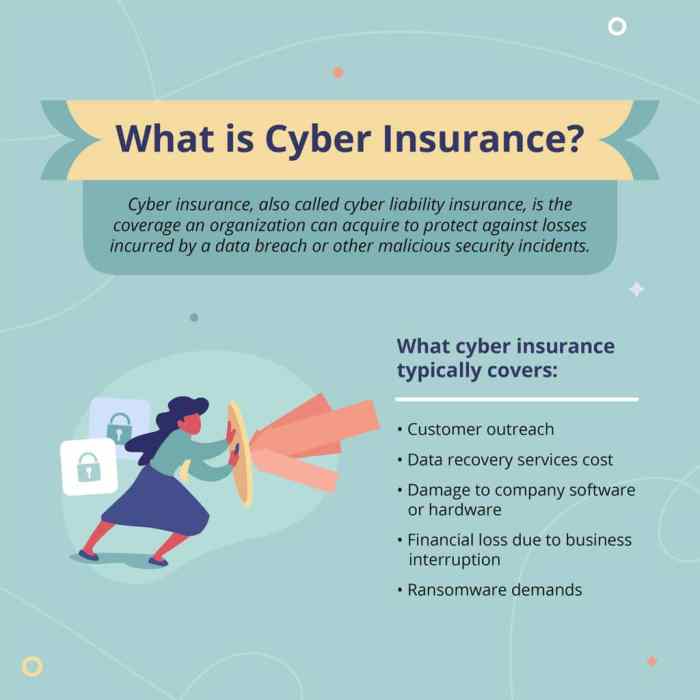
Cyber insurance offers a range of advantages for businesses of all sizes, providing financial protection and support in the event of a cyber attack or data breach. This type of coverage can be crucial in helping companies navigate the complex and costly aftermath of a cyber incident.
Incident Response and Recovery
- Cyber insurance can help cover the costs associated with investigating a breach, notifying affected parties, and restoring systems and data.
- It can also provide access to experts in cybersecurity and legal compliance to help mitigate the impact of the breach and prevent future incidents.
- Having cyber insurance can expedite the recovery process, allowing businesses to resume operations quickly and minimize downtime.
Examples of Businesses Benefit
- A small e-commerce company experienced a ransomware attack that encrypted their customer database. Thanks to their cyber insurance coverage, they were able to recover the data, notify customers, and enhance their security measures to prevent future attacks.
- A large financial institution faced a phishing scheme that compromised sensitive customer information. With cyber insurance, they were able to cover the costs of investigating the incident, notifying affected individuals, and implementing stronger security protocols to prevent similar attacks in the future.
Closing Summary
In conclusion, Cyber Insurance Coverage: Protect Your Business from Hacks serves as a vital shield in the ever-evolving realm of cybersecurity. By delving into the key components, factors to consider, and benefits of cyber insurance, businesses of all sizes can fortify their defenses and navigate the digital landscape with confidence.
As threats continue to loom large, having robust cyber insurance coverage remains a cornerstone in safeguarding your business from potential hacks and breaches.
Answers to Common Questions
What does cyber insurance coverage entail?
Cyber insurance coverage typically includes protection against financial losses resulting from cyber attacks, data breaches, and other related incidents.
How can cyber insurance help mitigate risks for businesses?
Cyber insurance can assist in covering expenses related to incident response, recovery, legal fees, and potential lawsuits resulting from a cyber attack.
Are there specific industries that should prioritize cyber insurance coverage?
Yes, industries dealing with sensitive customer data, such as finance, healthcare, and e-commerce, should prioritize cyber insurance to safeguard against potential breaches.
What are some common clauses found in cyber insurance policies?
Common clauses include coverage for forensic investigation costs, notification expenses, and liability protection in case of a data breach.