Delve into the world of SaaS Marketing Platform: Tools to Scale Your Business, where innovation meets efficiency. This topic explores the essential tools and strategies that can propel your business to new heights.
Unravel the secrets behind successful SaaS marketing platforms and discover how they can revolutionize your business operations.
Overview of SaaS Marketing Platform
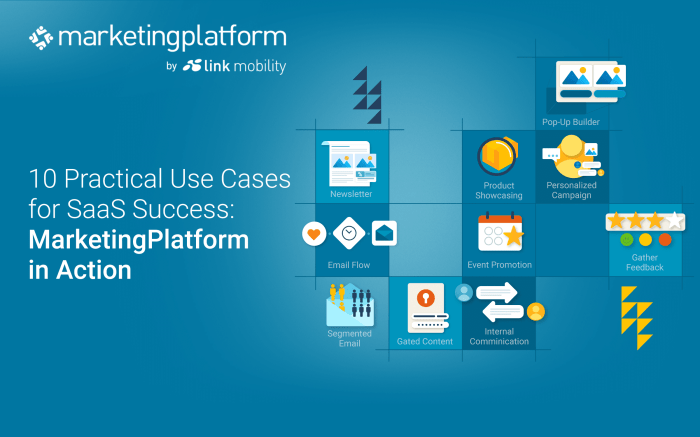
A SaaS marketing platform, or Software as a Service marketing platform, is a cloud-based software solution that offers tools and resources to help businesses with their marketing efforts. It provides a centralized hub for managing various aspects of marketing campaigns, such as email marketing, social media management, analytics, and more.
Key Features of SaaS Marketing Platform
- Centralized Dashboard: A SaaS marketing platform typically offers a centralized dashboard where businesses can access all their marketing tools and data in one place, streamlining the management process.
- Automation Capabilities: These platforms often include automation features that help businesses automate repetitive tasks, such as sending out email campaigns or scheduling social media posts.
- Analytics and Reporting: SaaS marketing platforms provide detailed analytics and reporting tools to track the performance of marketing campaigns, allowing businesses to make data-driven decisions.
- Scalability: One of the key features of SaaS marketing platforms is their scalability, allowing businesses to easily adjust their marketing tools and resources as their needs grow.
Benefits of Using a SaaS Marketing Platform
- Cost-Effective: SaaS marketing platforms typically operate on a subscription basis, making them cost-effective for businesses compared to investing in individual marketing tools.
- Efficiency: By centralizing marketing tools and automating tasks, businesses can improve their marketing efficiency and productivity.
- Data-Driven Decisions: With detailed analytics and reporting, businesses can make informed decisions based on real-time data, leading to more effective marketing strategies.
- Collaboration: SaaS marketing platforms often support collaboration among team members, allowing for seamless communication and workflow management.
Essential Tools for SaaS Marketing Platform
Running a successful SaaS marketing platform requires the utilization of various essential tools that help streamline operations, analyze data, and automate tasks. These tools play a crucial role in ensuring the efficiency and scalability of your business.
Analytics Tools
Analytics tools are essential for a SaaS marketing platform as they provide valuable insights into customer behavior, campaign performance, and overall marketing effectiveness. By tracking and analyzing key metrics such as website traffic, conversion rates, and customer engagement, businesses can make data-driven decisions to optimize their marketing strategies and improve ROI.
Tools like Google Analytics, Mixpanel, and Kissmetrics are popular choices for tracking and analyzing marketing data.
Automation Tools
Automation tools are crucial for scaling business operations and improving efficiency. By automating repetitive tasks such as email marketing, lead nurturing, and social media management, businesses can save time and resources while ensuring consistent and timely communication with customers. Automation tools like HubSpot, Marketo, and Pardot help streamline marketing workflows, personalize customer interactions, and nurture leads through the sales funnel.
This not only enhances productivity but also allows businesses to focus on strategic initiatives and growth opportunities.
Implementing a SaaS Marketing Platform
Implementing a SaaS marketing platform for a business involves a series of steps that are crucial for successful integration. It is essential to carefully plan and execute the implementation process to ensure a seamless transition and optimal utilization of the platform.
Steps for Implementing a SaaS Marketing Platform
- 1. Define Goals and Objectives: Clearly Artikel the goals you aim to achieve with the SaaS marketing platform. This will help in aligning the implementation process with your business objectives.
- 2. Choose the Right Platform: Select a SaaS marketing platform that suits your business needs and aligns with your marketing strategies.
- 3. Data Migration: Ensure a smooth transfer of data from existing systems to the new platform to maintain continuity and avoid data loss.
- 4. Training and Onboarding: Provide adequate training to your team members on how to use the new platform effectively. Onboarding sessions can help in familiarizing them with the features and functionalities.
- 5. Integration with Existing Tools: Integrate the SaaS marketing platform with other tools used in your business to streamline processes and enhance efficiency.
- 6. Testing and Feedback: Conduct thorough testing of the platform before full implementation. Gather feedback from users to identify any issues and make necessary adjustments.
- 7. Launch and Monitor: Once the platform is implemented, closely monitor its performance and gather insights to optimize your marketing strategies.
Best Practices for Integrating Different Tools within a SaaS Marketing Platform
- 1. Choose Tools with API Integration: Select tools that offer seamless API integration capabilities to ensure smooth communication between different platforms.
- 2. Consistent Data Formatting: Maintain consistency in data formatting across all integrated tools to avoid discrepancies and ensure accurate reporting.
- 3. Regular Audits: Conduct regular audits of the integrated tools to identify any issues or inefficiencies and take corrective actions promptly.
- 4. Automate Workflows: Implement automation wherever possible to streamline processes and reduce manual effort in managing different tools.
Common Challenges Faced During the Implementation Process and How to Overcome Them
- 1. Resistance to Change: Address resistance among team members by emphasizing the benefits of the new platform and providing adequate training and support.
- 2. Data Security Concerns: Ensure data security measures are in place to protect sensitive information and build trust among users.
- 3. Scalability Issues: Plan for scalability from the beginning to accommodate growth and prevent limitations that may hinder future expansion.
- 4. Lack of Expertise: Invest in training or hire experts to assist in the implementation process and ensure a successful transition.
Scaling Your Business with a SaaS Marketing Platform
Scaling a business effectively requires the right strategies and tools in place. A SaaS marketing platform can play a crucial role in helping businesses grow and expand their operations.
Utilizing Data Analytics for Targeted Marketing
Data analytics tools integrated into a SaaS marketing platform can provide valuable insights into customer behavior, preferences, and trends. By leveraging this data, businesses can create targeted marketing campaigns that resonate with their audience, leading to increased engagement and conversions.
Automation for Streamlined Processes
Automation tools within a SaaS marketing platform can help streamline repetitive tasks, such as email marketing, social media posting, and lead nurturing. By automating these processes, businesses can save time and resources, allowing them to focus on more strategic initiatives to scale their operations.
Integration of CRM Tools for Enhanced Customer Relationships
Customer Relationship Management (CRM) tools play a crucial role in scaling business operations by centralizing customer data, interactions, and communications. By integrating CRM tools with a SaaS marketing platform, businesses can effectively manage customer relationships, personalize marketing efforts, and drive customer loyalty and retention.
Success Stories of Businesses Scaling with SaaS Marketing Platforms
Several businesses have successfully scaled their operations using SaaS marketing platforms. For example, XYZ Company implemented a SaaS marketing platform to automate their lead generation process, resulting in a 30% increase in sales within the first quarter. This success story highlights the impact of leveraging a SaaS marketing platform to drive business growth and expansion.
Final Conclusion
In conclusion, SaaS Marketing Platform: Tools to Scale Your Business offers a glimpse into the future of marketing technology. By leveraging these tools effectively, businesses can streamline operations and achieve unprecedented growth.
Questions Often Asked
How can a SaaS marketing platform benefit businesses?
A SaaS marketing platform can streamline marketing processes, improve efficiency, and provide valuable insights for better decision-making.
What are some essential tools needed for a SaaS marketing platform?
Essential tools include CRM software, analytics tools, automation tools, and email marketing platforms.
What role do analytics tools play in a SaaS marketing platform?
Analytics tools help businesses track and analyze marketing performance, customer behavior, and ROI to optimize marketing strategies.