In the realm of ERP Software Enterprise: What Big Companies Use, we delve into the choices of major corporations and how they harness ERP solutions to enhance their operations. This exploration promises a blend of insightful analysis and practical examples, offering a comprehensive view of the landscape.
The subsequent paragraphs will illuminate the key aspects of ERP software implementation in large enterprises, shedding light on the strategies and benefits that accompany such decisions.
List of Big Companies Using ERP Software
ERP software is a crucial tool for large companies to efficiently manage their operations and resources. Let's take a look at some of the big companies that have successfully implemented ERP solutions to streamline their processes and improve overall performance.
1. Microsoft
Microsoft, a global technology giant, utilizes ERP software to integrate and manage various business functions such as finance, human resources, supply chain, and customer relationship management. By using ERP solutions, Microsoft has been able to enhance operational efficiency, optimize decision-making processes, and improve overall productivity.
2. Amazon
As one of the largest e-commerce companies in the world, Amazon relies on ERP software to automate inventory management, order processing, and logistics operations. By implementing ERP solutions, Amazon has achieved better inventory control, reduced lead times, and increased customer satisfaction through faster order fulfillment.
3. Procter & Gamble
Procter & Gamble, a leading consumer goods company, leverages ERP software to streamline manufacturing processes, improve supply chain visibility, and enhance collaboration with suppliers. Through ERP implementation, Procter & Gamble has seen increased operational efficiency, reduced production costs, and better inventory management.
4. Walmart
Walmart, the largest retailer in the world, uses ERP software to optimize store operations, manage inventory levels, and track sales data in real-time. By integrating ERP systems, Walmart has improved inventory accuracy, reduced stockouts, and enhanced customer service by ensuring products are readily available.
5. IBM
IBM, a renowned technology company, employs ERP software to manage financial processes, procurement activities, and project management tasks across its global operations. Through ERP implementation, IBM has standardized business processes, improved data accuracy, and enabled better decision-making based on real-time insights.
Common ERP Software Choices Among Large Enterprises
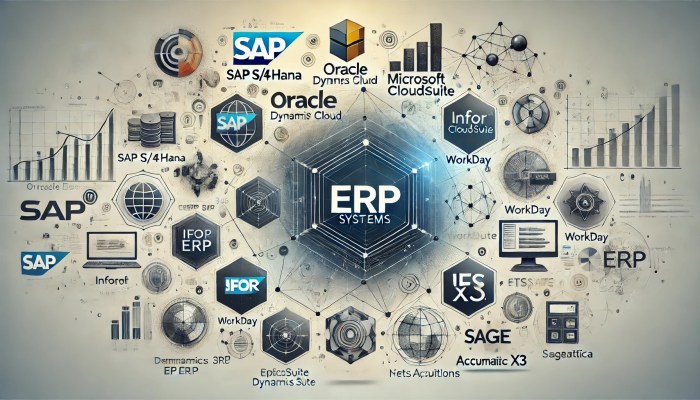
Large enterprises often opt for specific ERP software solutions that cater to their complex needs and requirements. Let's explore some of the most popular ERP software options favored by big companies.
SAP ERP
SAP ERP is one of the leading ERP software solutions used by large enterprises worldwide. It offers a wide range of modules for different business functions, including finance, supply chain, human resources, and more. SAP ERP is known for its robust features, scalability, and customization options, making it a top choice for big companies.
Oracle ERP Cloud
Oracle ERP Cloud is another popular choice among large enterprises due to its comprehensive suite of applications, advanced analytics capabilities, and integration with other Oracle products. This cloud-based ERP solution provides real-time insights, automation of processes, and flexibility to adapt to changing business needs, making it a preferred option for big companies.
Microsoft Dynamics 365
Microsoft Dynamics 365 offers a unified platform that combines ERP and CRM functionalities, making it an attractive option for large enterprises looking for an all-in-one solution. With features like AI-driven insights, seamless integration with Microsoft products, and scalability, Microsoft Dynamics 365 is favored by big companies seeking a modern and efficient ERP software.
Customization and Integration of ERP Systems
Big companies often tailor ERP systems to meet their specific needs by customizing various features and functionalities. This allows them to optimize their business processes and workflows, leading to increased efficiency and productivity.
Examples of Customizations Made by Large Enterprises
- Customizing user interfaces to align with company branding and user preferences.
- Integrating additional modules or functionalities to address specific business requirements, such as inventory management or customer relationship management.
- Configuring workflows and approval processes to match the company's unique structure and hierarchy.
- Developing custom reports and analytics to gain deeper insights into business performance.
Challenges and Benefits of Integrating ERP Systems within Big Companies
Integrating ERP systems with existing technologies within big companies can present both challenges and benefits. One of the main challenges is ensuring seamless data synchronization and communication between different systems. However, the benefits of integration include:
- Streamlined business processes and improved data accuracy.
- Enhanced visibility and control over company-wide operations.
- Reduced manual data entry and duplication of efforts.
- Ability to make faster and more informed decisions based on real-time data.
Scalability and Performance of ERP Systems in Large Enterprises
ERP systems in large enterprises need to have the ability to scale effectively to meet the growing demands of the business. Scalability refers to the system's capability to handle an increasing amount of workload or its potential to accommodate growth.
Performance optimization is crucial in ensuring that the ERP software operates efficiently and effectively, providing real-time data and analytics for decision-making.
Scalability in ERP Systems
- Large companies often experience rapid growth, mergers, or acquisitions, requiring their ERP systems to scale seamlessly to support the expanding operations.
- Scalability allows businesses to add new users, functionalities, or modules to the ERP software without compromising system performance.
- Cloud-based ERP solutions offer scalability advantages by providing resources on-demand, enabling companies to adjust their usage based on business needs.
Performance Optimization in ERP Systems
- Performance optimization focuses on enhancing the speed, efficiency, and reliability of ERP systems to deliver high-quality performance consistently.
- Regular system maintenance, updates, and monitoring help identify and address performance bottlenecks or issues that could impact the system's functionality.
- Utilizing advanced technologies like in-memory computing, AI-driven analytics, and automation can boost the performance of ERP systems in large enterprises.
Successful Management of Scalability and Performance Issues
- Companies like Amazon, Walmart, and Microsoft have successfully managed scalability challenges by investing in robust ERP systems that can handle massive volumes of transactions and data.
- Implementing scalable architectures, distributed computing, and load balancing techniques have helped these companies maintain high performance levels even during peak usage periods.
- Continuous monitoring, performance testing, and optimization strategies are key factors in ensuring that ERP systems in large enterprises remain scalable and performant.
Conclusion
Wrapping up our discussion on ERP Software Enterprise: What Big Companies Use, we encapsulate the essence of the topic by highlighting the pivotal points and key takeaways. This conclusive section aims to leave readers with a lasting impression of the significance of ERP solutions in the corporate world.
FAQ Compilation
What are the common challenges faced by big companies when customizing ERP systems?
Big companies often encounter difficulties in aligning their specific requirements with the features of standard ERP software. This necessitates extensive customization efforts to tailor the system to their unique needs.
How do large enterprises ensure the scalability of their ERP systems?
Large enterprises prioritize choosing ERP solutions that offer scalability features, allowing for seamless expansion as their business grows. They also engage in periodic performance assessments and upgrades to maintain optimal system performance.
What advantages do big companies gain from integrating ERP systems with existing technologies?
Integrating ERP systems with existing technologies enables big companies to achieve enhanced data visibility, streamlined processes, and improved decision-making capabilities. This integration fosters operational efficiency and synergy across different departments.